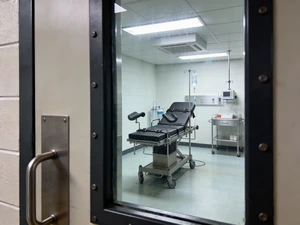
Man Convicted in 1989 Roadside Killing Faces Execution
By Jordan Reyes. Feb 12, 2026
Florida has scheduled its first execution of 2026, setting a lethal injection date for a man convicted of killing a traveling salesman more than three decades ago. Ronald Palmer Heath, now 64, is set to die for a 1989 roadside murder that left a family grieving and a case that has lingered in the justice system for years. The execution marks a significant moment in a state that has moved aggressively in recent years to carry out death sentences.
For the victim’s loved ones, the announcement brings renewed attention to a crime that forever altered their lives. For others, it reopens long-running debates about capital punishment and whether executions decades after a crime can still deliver justice or closure.
The 1989 Murder That Led to Death Row
Heath was convicted of the robbery and murder of Michael Sheridan, a traveling salesman who was killed while on the road for work in 1989. According to court records, Sheridan was attacked during a robbery and left dead, ending a routine business trip in violence. Prosecutors argued that the killing was deliberate and brutal, warranting the harshest possible sentence.
A jury ultimately agreed, sentencing Heath to death. The case became one of many in Florida where years of appeals and legal reviews followed the initial conviction. While details of the crime have been widely reported over the years, authorities have emphasized that the conviction was upheld repeatedly through the appeals process.
For Sheridan’s family, the passage of time has not diminished the loss tied to that single night.
Decades of Appeals and Delays
Like most death penalty cases, Heath’s sentence was followed by decades of legal challenges. Appeals focused on trial procedures, sentencing issues, and constitutional arguments that are common in capital cases. Courts consistently rejected those claims, allowing the death sentence to stand.
The long timeline reflects the complexity of death penalty litigation in the United States. Supporters argue that extensive appeals are necessary safeguards against wrongful executions. Critics counter that such delays prolong pain for victims’ families while keeping defendants in limbo for years.
In Heath’s case, the final scheduling of an execution date signals that state and federal courts have exhausted the remaining avenues for review. Florida officials have stated that the process followed the law at every stage, leading to the decision now before them.
Florida’s Accelerated Pace on Executions
The scheduled execution also highlights Florida’s recent approach to capital punishment. In the past several years, the state has issued death warrants at a faster pace than in previous decades. Governors have increasingly signed execution orders, even for cases dating back to the 1980s and 1990s.
Legal experts say this reflects a broader political and legal climate in Florida that favors carrying out death sentences once appeals are complete. Supporters of the policy argue it restores confidence in the justice system and honors victims whose cases have remained unresolved for years.
Opponents, however, point to the age of cases like Heath’s as evidence of a system struggling with delay, cost, and moral uncertainty. The execution has already drawn attention from advocacy groups on both sides of the death penalty debate.
Closure, Justice, and Lingering Questions
For Michael Sheridan’s surviving loved ones, the execution date may represent a final chapter in a long and painful story. Advocates for victims’ families often describe executions as a form of closure, though they also acknowledge that no sentence can truly undo the harm caused by murder.
State officials have not commented publicly on the family’s reaction, and it remains unclear how they are processing the renewed attention on the case. What is clear is that the execution will force many to reflect on the meaning of justice delivered decades after a crime.
As Florida prepares to carry out its first execution of 2026, the case stands as a reminder of how long the shadow of a single act of violence can stretch across generations, courtrooms, and lives.

The Bold Fact team was assisted by generative AI technology in creating this content
Trending

Earn Massive Cash Back With This Card
Sponsored
Father Speaks After Daughter's Disappearance
Jordan Reyes
The Dumb Money Mistake You’re Probably Still Making
Sponsored
Dad Vanishes After Super Bowl Party, Found Dead
Dana Whitfield

These 14 Benefits Could Save Seniors Thousands
Sponsored

Woman's Remains Found in Toolbox After DNA Clue
Jordan Reyes
Mother, Two Children Found Dead in Florida Home
Dana Whitfield
Dog Walker's Discovery Leads to Arrest After Two Sisters Found in Suitcases
Jordan Reyes
A Violent Run Across Florida Ends on Camera - and the Charges Keep Growing
Jordan Reyes

22-Year-Old Accused in Senior Resident's Shooting
Taylor Bennett
Four Dead in Washington Domestic Violence Attack
Taylor Bennett
After a 911 Suicide Call, Ohio Husband Faces Murder Charge
Dana Whitfield

Tiny DNA Clue Cracks 50-Year-Old Murder
Taylor Bennett
75-Year-Old Arrested After Alleged Confession
Jordan Reyes

Convicted in Bali, Now Charged Again in Chicago
Taylor Bennett
Jury Hears Six Hours of Recorded Violence
Dana Whitfield
Family Mourns After Trusted Adult's Betrayal
Dana Whitfield

Gunshots Reported Outside Beverly Hills Home Linked to Rihanna
Taylor Bennett
A Welfare Check Turns Into a Multi-State Tragedy
Taylor Bennett

Father Killed Family Members at Youth Hockey Game
Jordan Reyes
Guilty Plea Ends Case in Family's Deadly Blaze
Alex Morgan
30-Year-Old Woman Found Dead; Suspect in Custody
Alex Morgan
Family Mourns After Parents Found Stabbed
Alex Morgan
Fake Police Call Leads to Bank Card Scam Arrests
Taylor Bennett